Nutrition
•Is an Acai Bowl Actually Healthy?
The Acai Affect
The short answer, and why it is not a simple one
Is an acai bowl healthy, or is it basically ice cream in a nicer bowl?
It is a fair question, and the honest answer is that it depends almost entirely on what happens after the acai comes out of the blender. Acai pulp on its own and an acai bowl carrying three sweet toppings are two quite different foods. Lumping them together is how the internet ends up publishing both superfood headlines and dessert-in-disguise headlines about the same purple thing.
So here is the straightest version we can give you, with the sources attached.
What is actually in acai pulp?
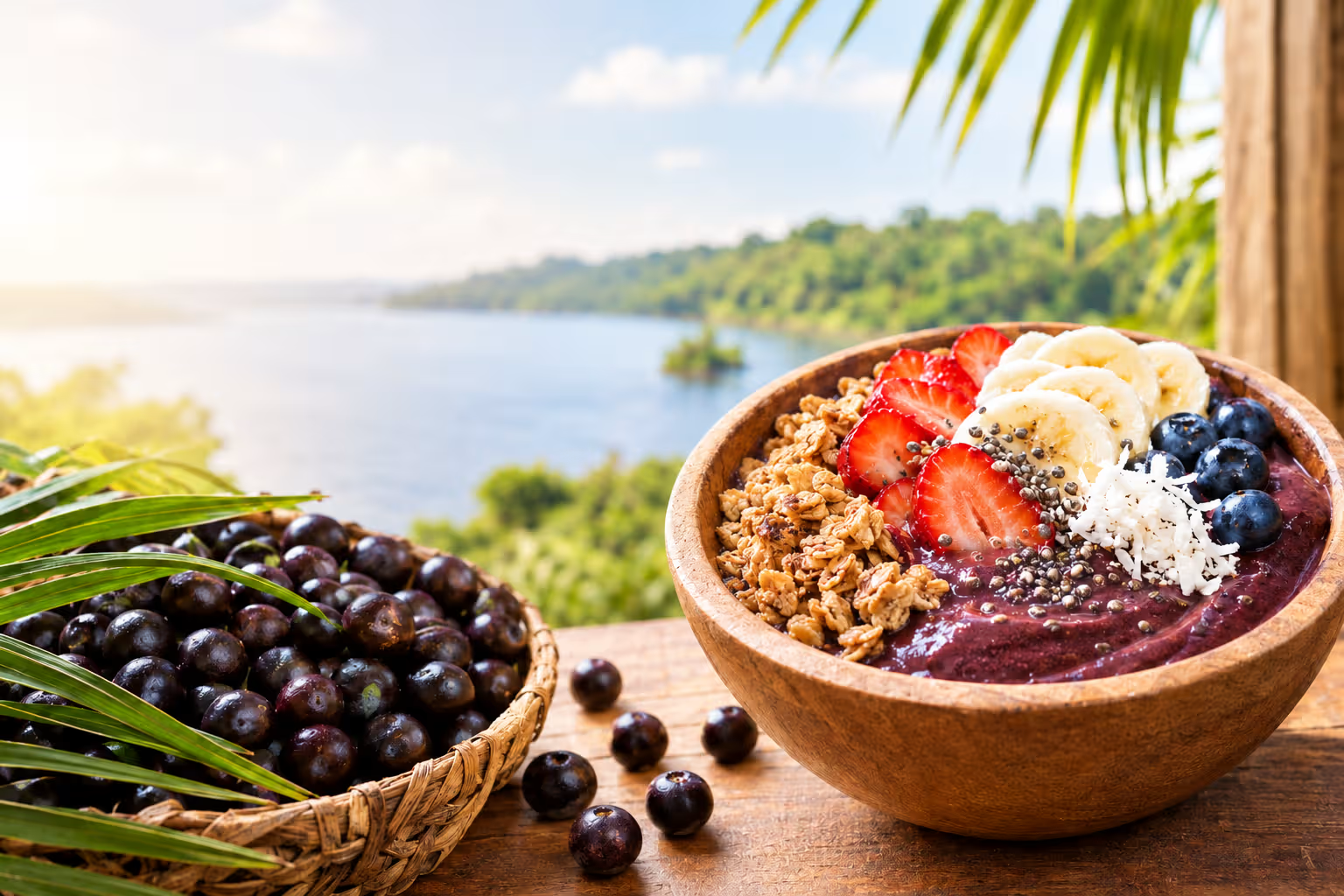
Acai is the fruit of a palm (Euterpe oleracea) that grows in the Amazon basin. What sets it apart from most fruits people know well is its fat content. Published compositional work on acai reports an oil fraction dominated by monounsaturated fat — roughly 60% oleic acid, 22% palmitic acid and 12% linoleic acid — alongside the anthocyanins, cyanidin-3-glucoside and cyanidin-3-rutinoside, that give it the deep purple colour.
That composition is unusual for a berry, and it is the reason acai behaves differently from the fruit you might expect it to resemble. It is a fruit that is relatively high in fat and relatively low in sugar compared with, say, a mango.
Which leads to the practical point. If a bowl tastes sweet, it is worth understanding where that sweetness is coming from, because much of it arrives after the fruit does.
So how much sugar is in an acai bowl?
There is no single number, and anyone who quotes you one without asking what is in the bowl is guessing. What is useful is knowing where the sugar tends to come from, roughly in order of impact.
The base
Acai blends are not all the same. This is worth treating as the first question to ask anywhere you buy one: is the blend sweetened, and what is it blended with? A base built on unsweetened pulp is a different starting point from one built on juice and syrup, and the difference lands before a single topping does.
Fresh fruit
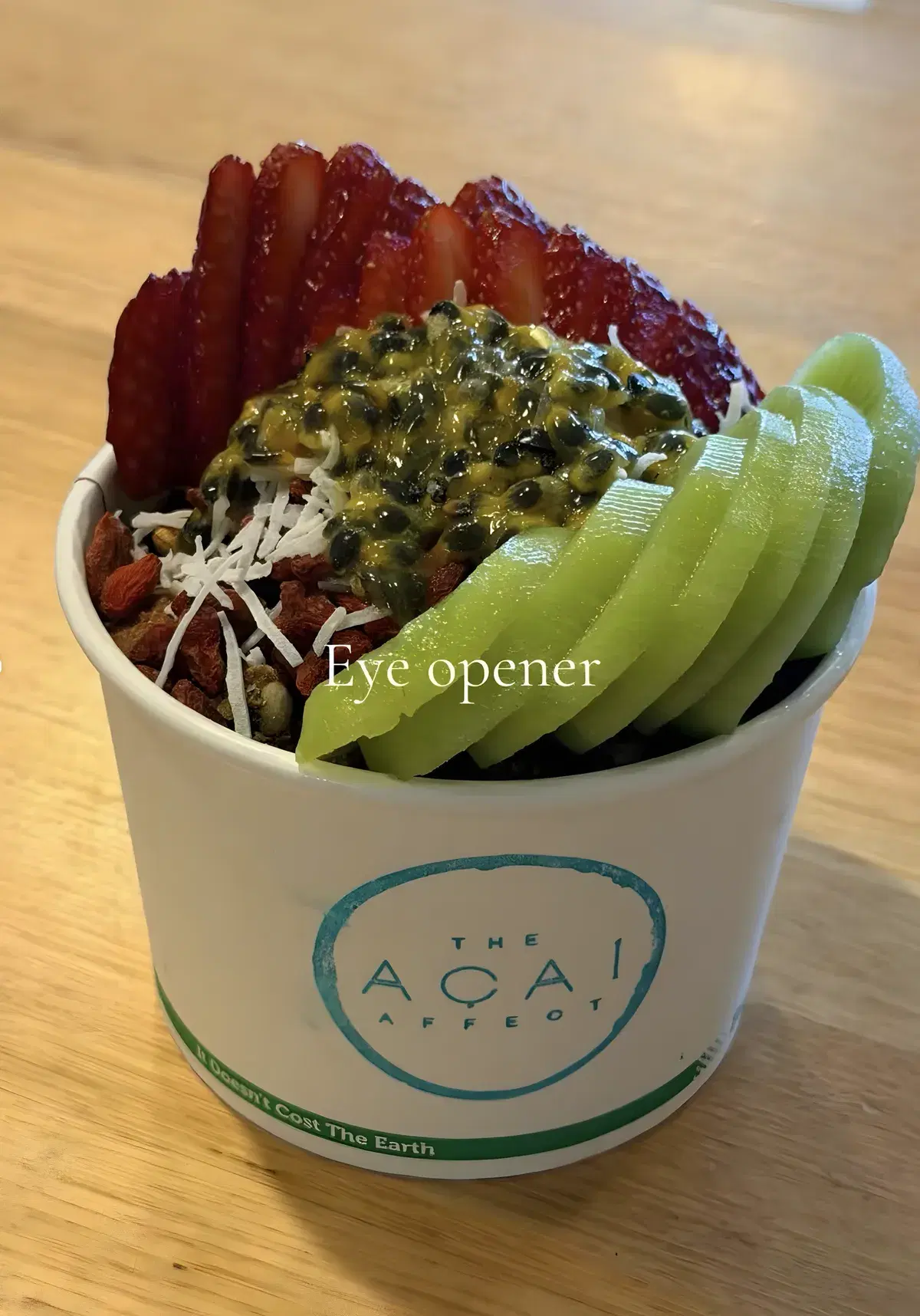
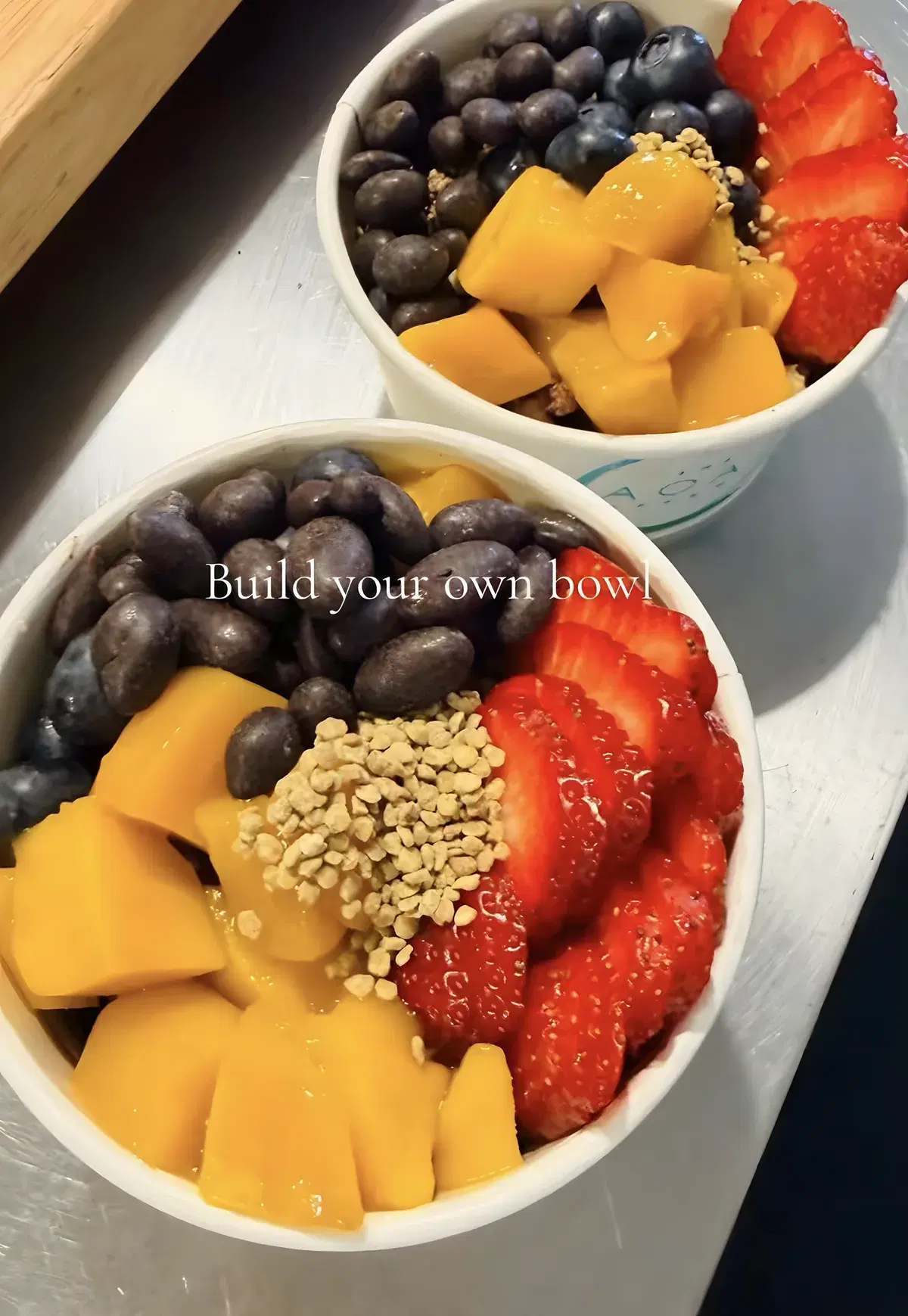
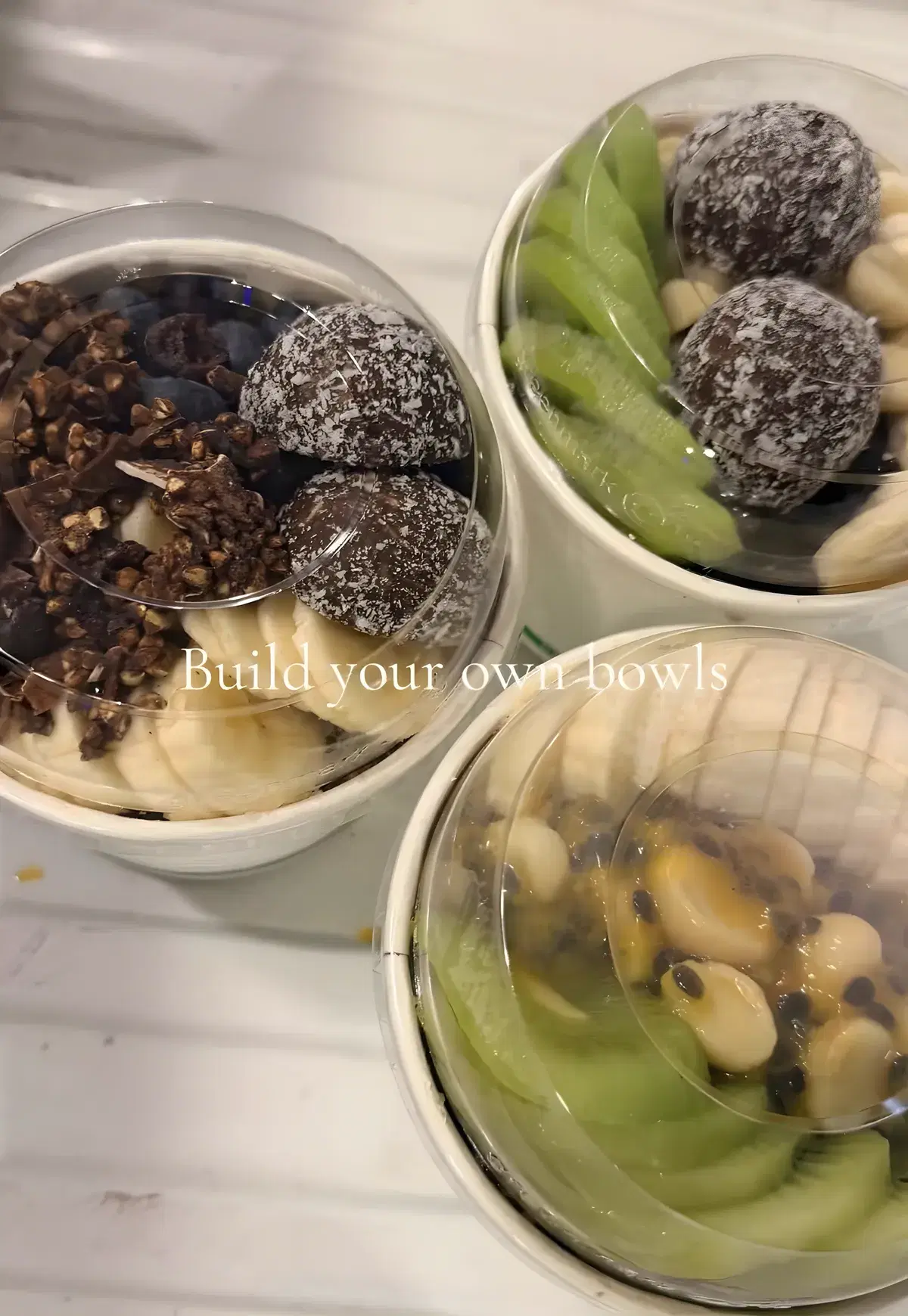
Strawberries, blueberries and kiwi add sugar, but they arrive with fibre, water and micronutrients, and they are the reason a bowl can count towards the two serves of fruit a day recommended for Australian adults. The same Better Health Channel guidance links fibre to feeling fuller and to reduced overconsumption. Banana and mango are sweeter than berries — a preference, not a problem.
Granola
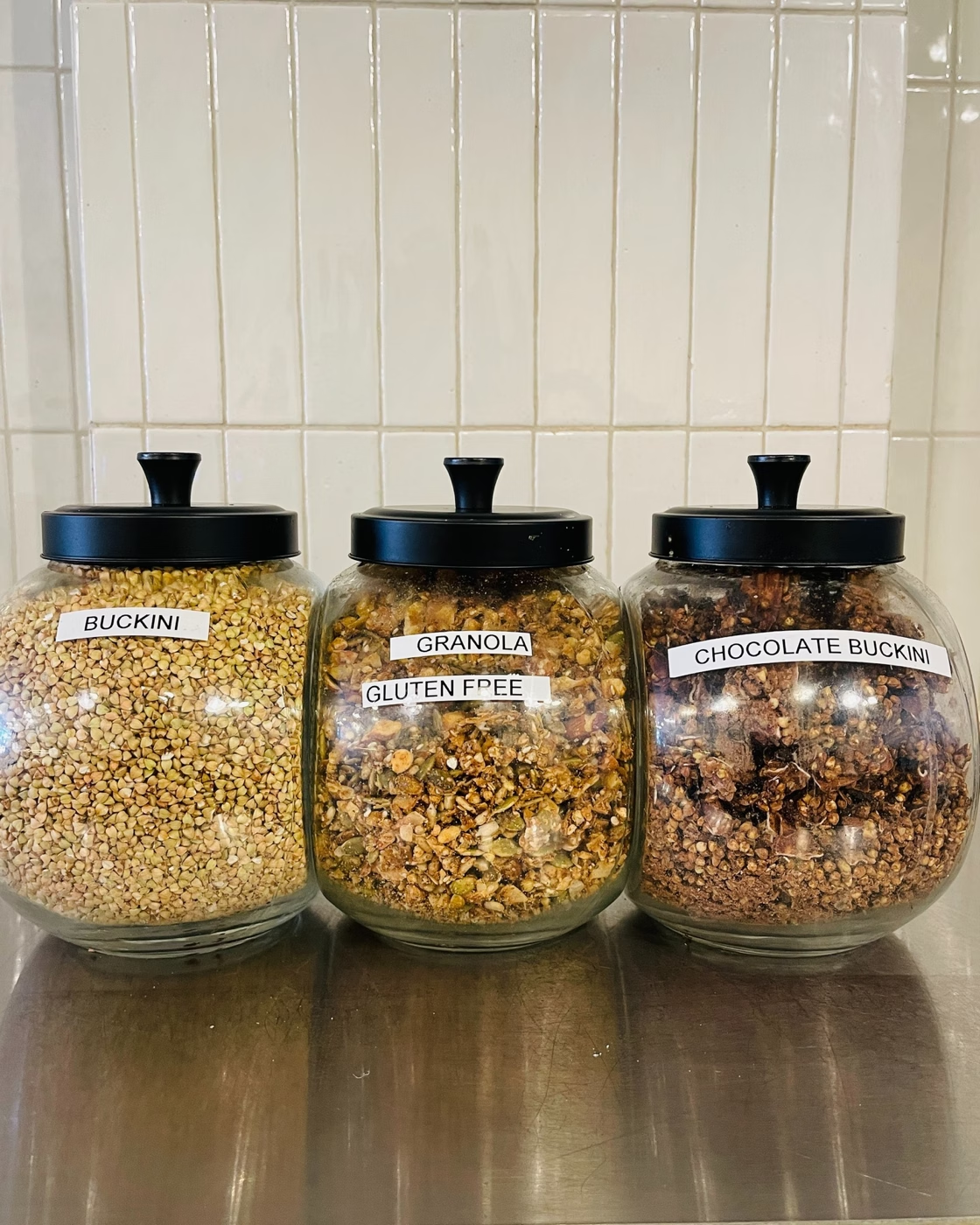
This is the one people underestimate. Granola and muesli sit on a wide spectrum. The Better Health Channel notes that refined cereal products often carry high levels of added sugar, fat or salt, while wholegrain options bring fibre and resistant starch. A heavily sweetened granola can add a meaningful amount of sugar to a bowl; a wholegrain one is a different proposition.
Nut butter
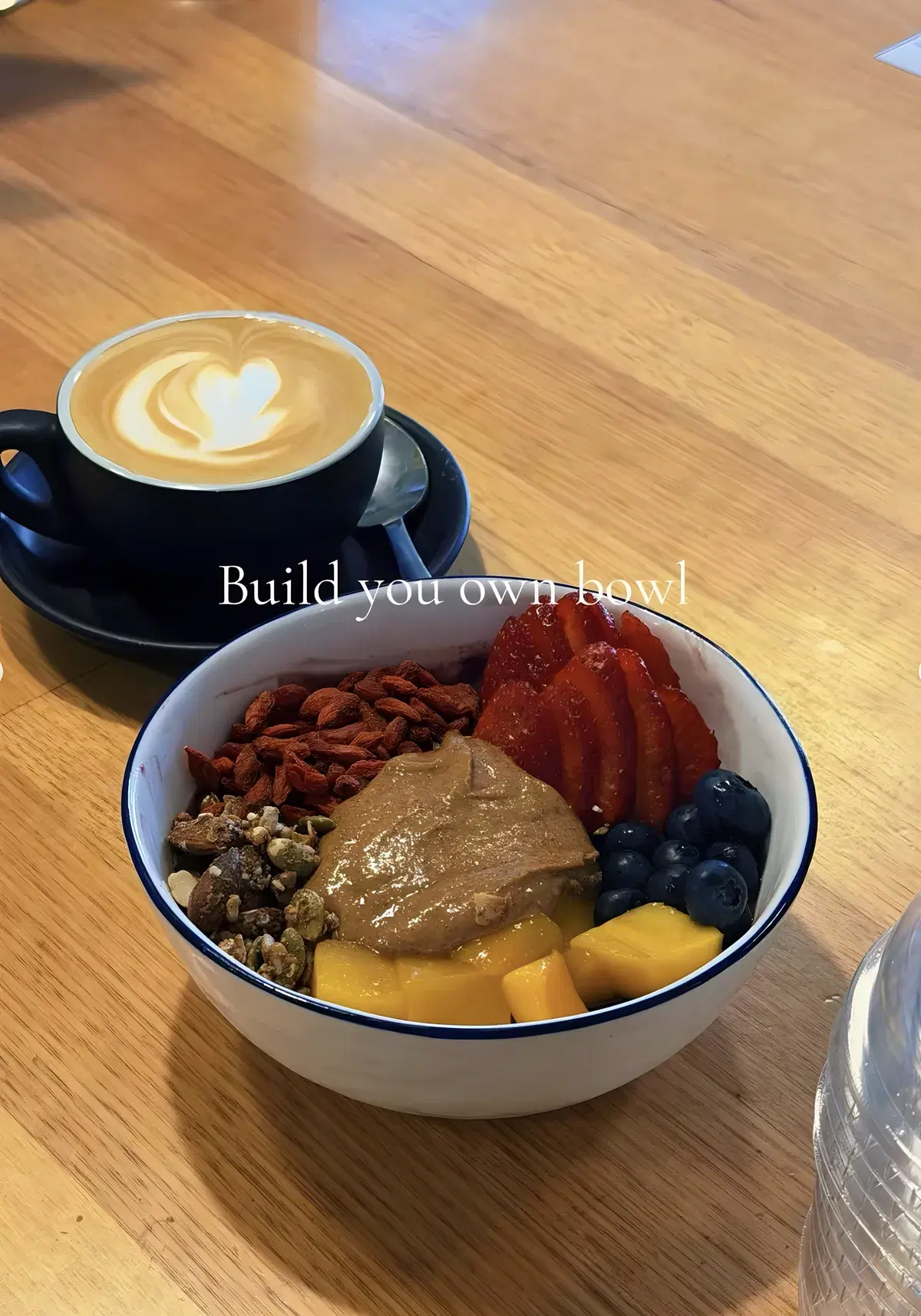
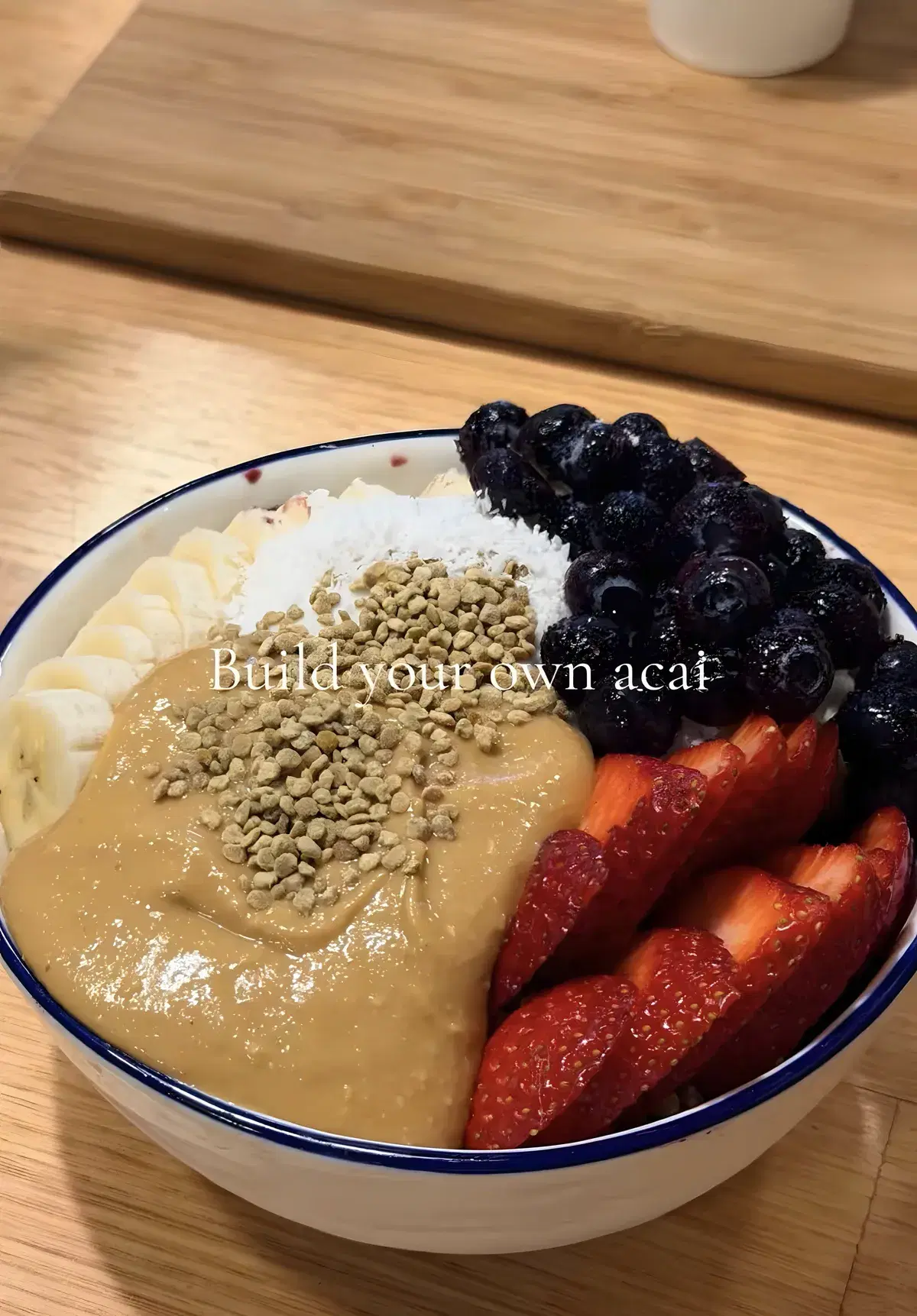
Nut butter adds little sugar, assuming it is not a sweetened one, but it is energy dense. Harvard's nutrition team makes a useful point here: nuts are best used to replace other foods rather than added on top of them, and plain nut products without added sugar are the better pick. Their observation that peanut butter is often eaten alongside sweet, processed foods describes the acai bowl scenario precisely.
Chocolate spreads and syrups
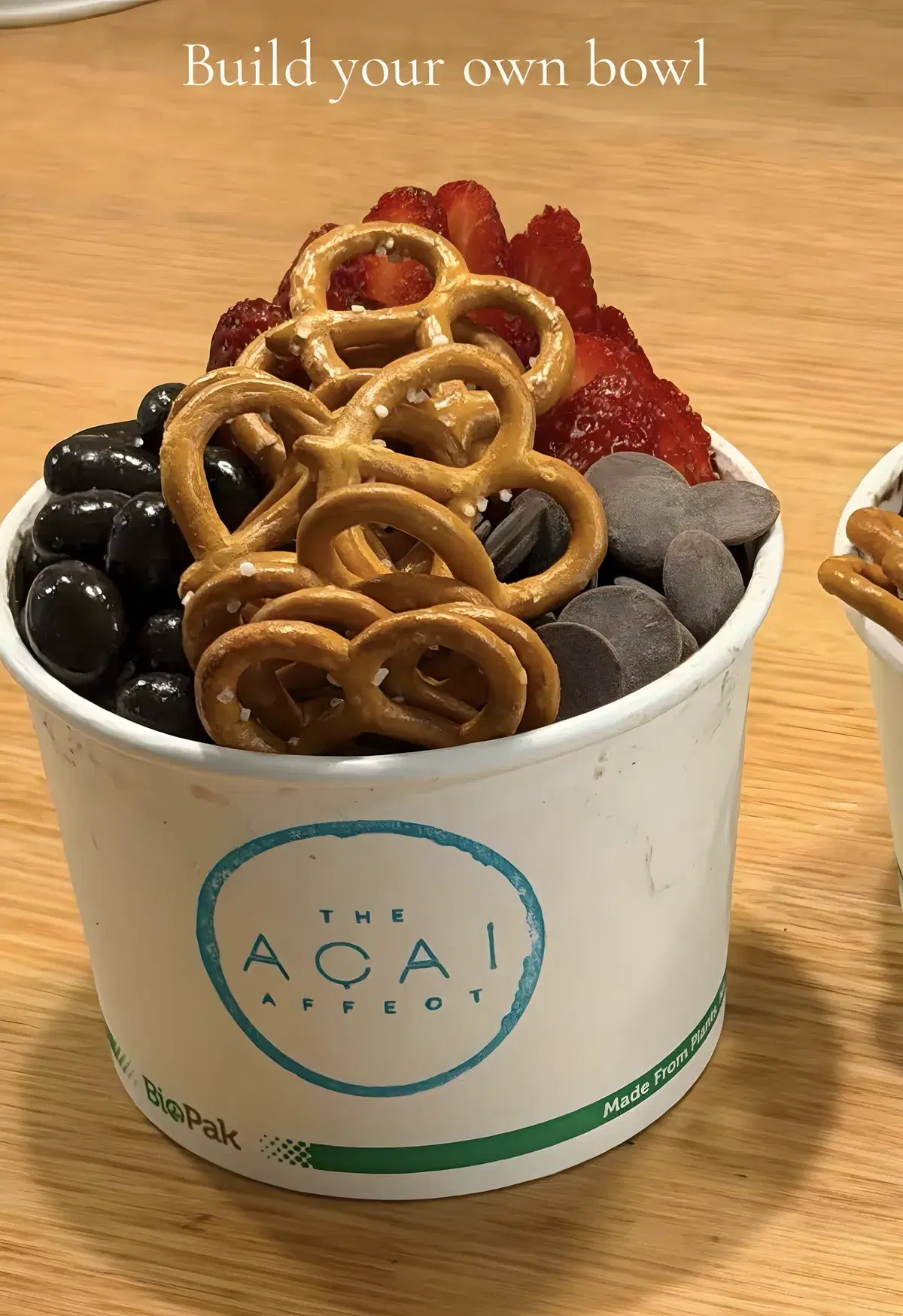
Chocolate spread, honey drizzle and condensed milk are added sugar. They are also delicious, which is why they appear on menus everywhere.
The honest bit: an acai bowl can be a dessert
We would rather say this plainly than have you work it out afterwards.
Our Nutella Bliss Acai Bowl is a treat. It is not the bowl to eat daily and call it a health choice, and we are not going to describe it as one. The same goes for the Cheat Day Deluxe Smoothie — the name is doing its job.
The framework worth borrowing is the free sugars one. The Better Health Channel summarises the World Health Organization position on limiting free sugars as a proportion of total energy intake, and advises choosing foods with naturally occurring sugars, such as fresh fruit, while limiting foods high in added sugar.
Healthdirect adds the nuance we think is the most useful sentence in this whole conversation: naturally occurring sugars are not automatically healthier than added sugars, but they tend to arrive packaged with fibre, vitamins and minerals, while added sugars often arrive without them. That is the real distinction. Fruit brings something with its sugar. Chocolate spread brings sugar.
Kilojoules are the other half of the picture, and there is no universal target — the Better Health Channel points out that daily energy needs vary with activity, body composition, sex, age and health. The same bowl can be a sensible lunch for one person and a large snack for another.
How to order a bowl that suits what you want from it
None of this requires a nutrition degree. Four questions cover most of it, and they work at any cafe, not just ours:
- Is the base sweetened? This sets the floor for everything else.
- What is in the granola? Wholegrain and lightly sweetened is a different food from a sugary one.
- One indulgent topping or three? Nut butter or chocolate, rather than both plus honey.
- What is this bowl replacing? As a meal it should feel substantial. As an afternoon snack after a full lunch, something smaller makes more sense.
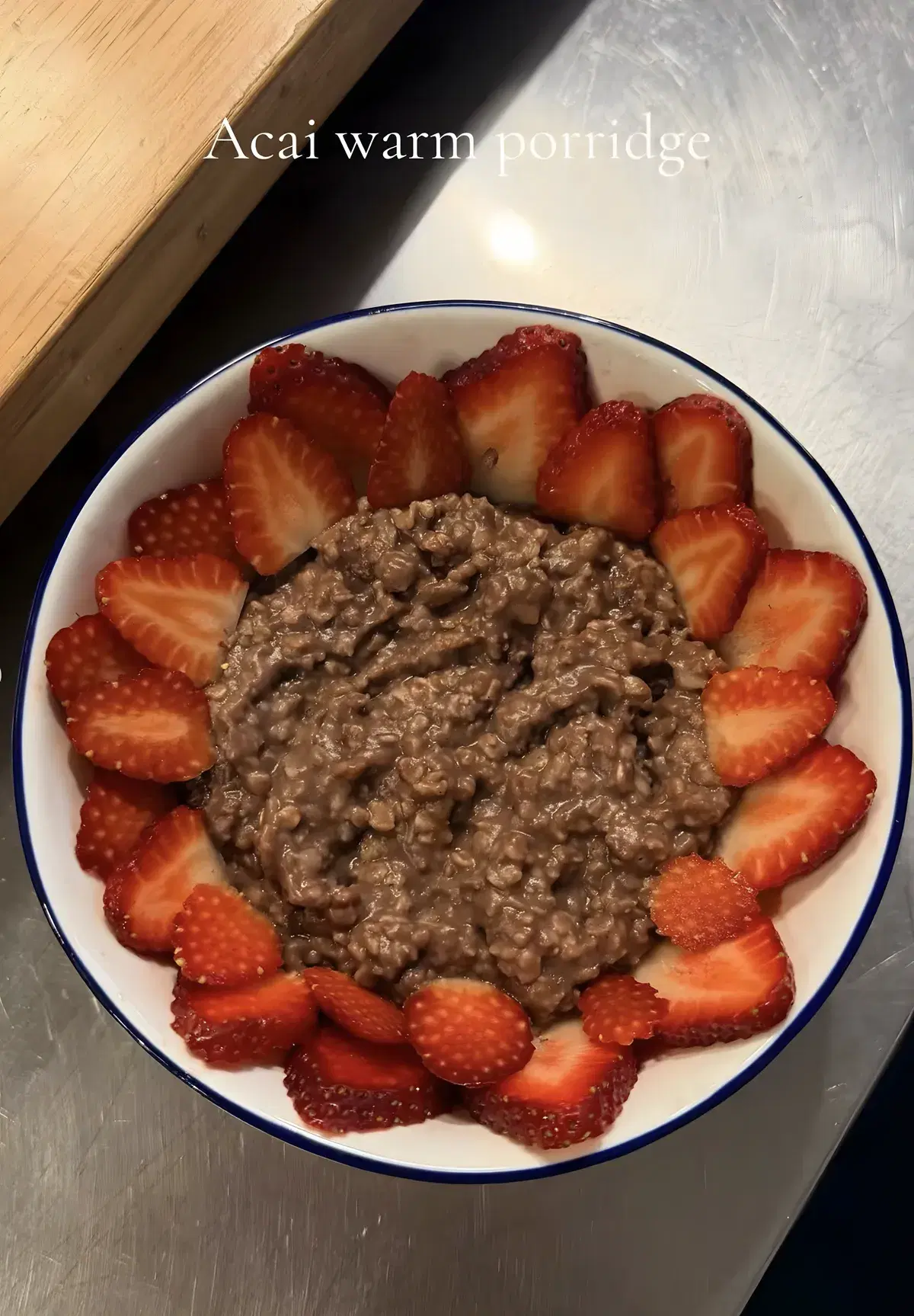
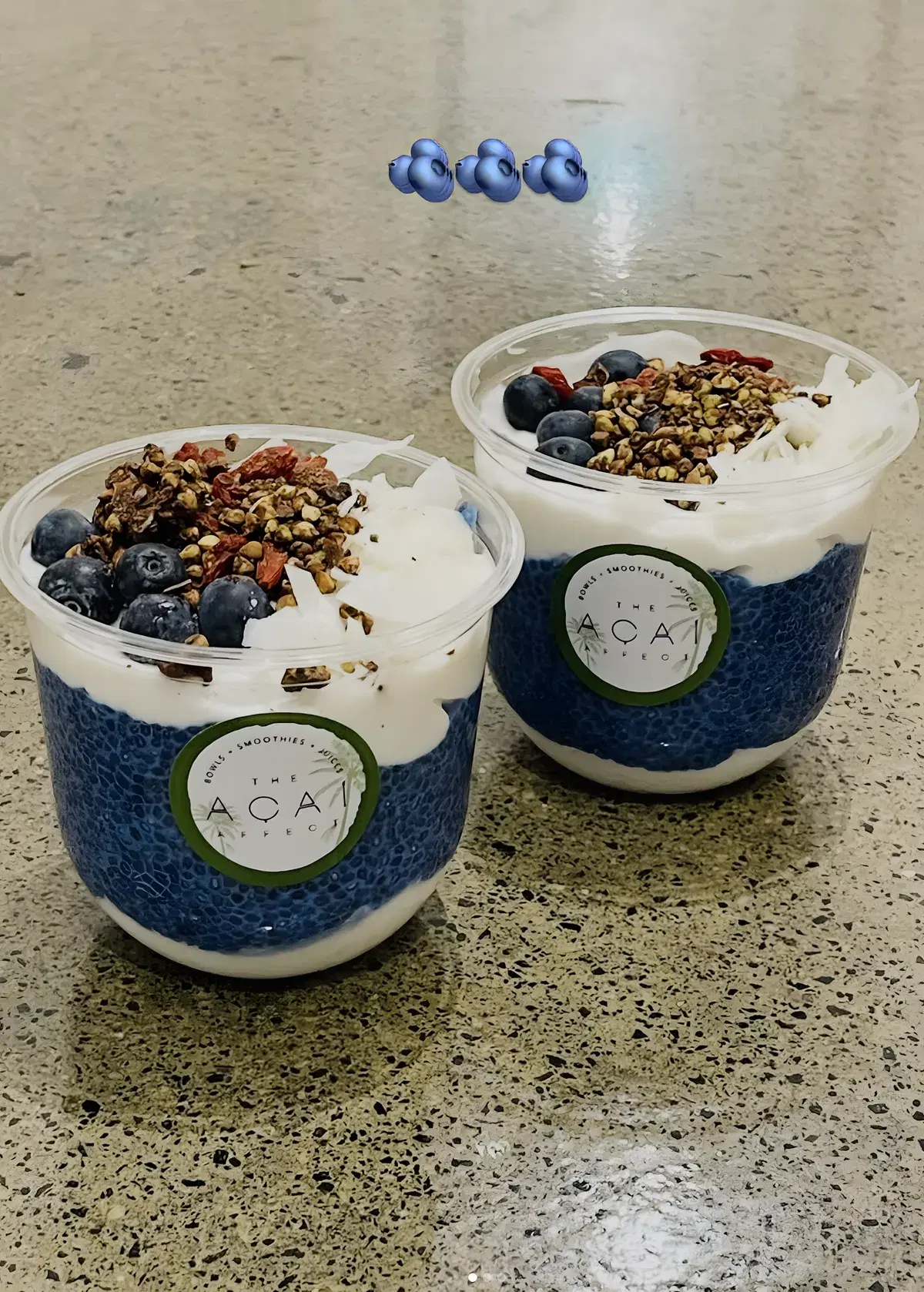
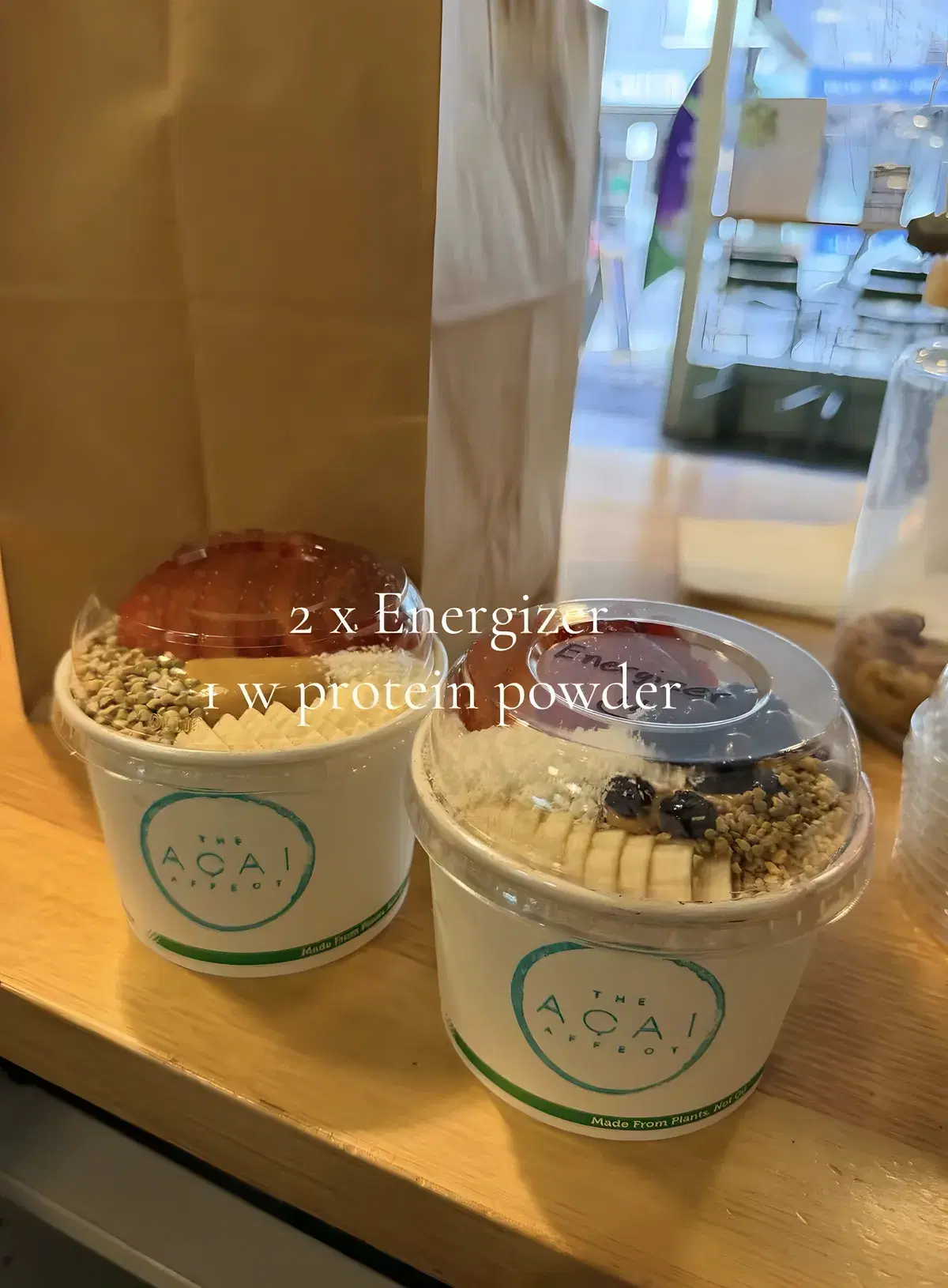
If you want something deliberately lighter, our Mango Chia Pudding is dairy-free and vegan — the fuller list of what we can and cannot confirm is in vegan and gluten-free options. The Coconut Apple Warm Bowl takes a different approach again: acai and oats blended with coconut milk, topped with coconut yoghurt, fresh apple, walnuts and cinnamon. If you are ordering after training rather than as a treat, adding the plant protein changes the balance of the bowl more than any topping does — we cover why in what to eat after a workout.
If you would rather sidestep the sugar question entirely, the Sourdough Avocado Toastie or the Mushroom Roast Pumpkin Toastie are savoury options. Avocado is a reasonable base for a savoury breakfast — Harvard's nutrition team describes avocados as a source of monounsaturated fat, fibre and potassium. More broadly, Nutrition Australia suggests a balanced breakfast includes a source of protein, wholegrains, fruit or vegetables and some healthy fats, which is a useful test to hold any morning bowl or toastie against.
Common questions
Is acai healthier than other berries?
Not in a way that justifies the hype. Acai is distinctive for its fat profile and anthocyanin content, and the research on its polyphenols is genuinely interesting, but that is not a reason to treat it as medicine. Blueberries, raspberries and blackberries are all excellent too. Eat acai because you like it and because it gets fruit into your day. For where the word "superfood" comes from and what is actually in the rest of the usual list, see our plain guide to superfoods.
Is an acai bowl better than a smoothie?
There is less in this than people assume. Harvard's nutrition team notes that liquid carbohydrates such as sugar-sweetened beverages are less filling than solid food, but that finding concerns sugar-sweetened drinks rather than smoothies, so it does not settle the bowl-versus-smoothie question. What goes into either one still decides the outcome.
Can an acai bowl be lunch?
It can. Whether it holds you until dinner depends on what is in it and on you. Nutrition Australia's breakfast framework above — protein, wholegrains, fruit or vegetables, some healthy fats — is a reasonable checklist to run a bowl against if you are treating it as a meal rather than a snack.
What should I ask when ordering anywhere?
Two questions: is the acai blend sweetened, and what is in the granola. Any cafe that knows its product should be able to answer both.
Where to find us
We are at 339 Centre Rd, Bentleigh. See our current opening hours before you visit. You can order ahead for pickup, or order delivery through Uber Eats and DoorDash. If you are not sure which bowl suits what you are after, ask us on 0450 478 933 or when you get here.
The short version: an acai bowl is largely whatever you build on top of the fruit. Knowing which bowl you are ordering is the whole point.
This article is general information only and is not personal dietary advice. If you have specific nutritional needs or a health condition, speak with your GP or an Accredited Practising Dietitian.